

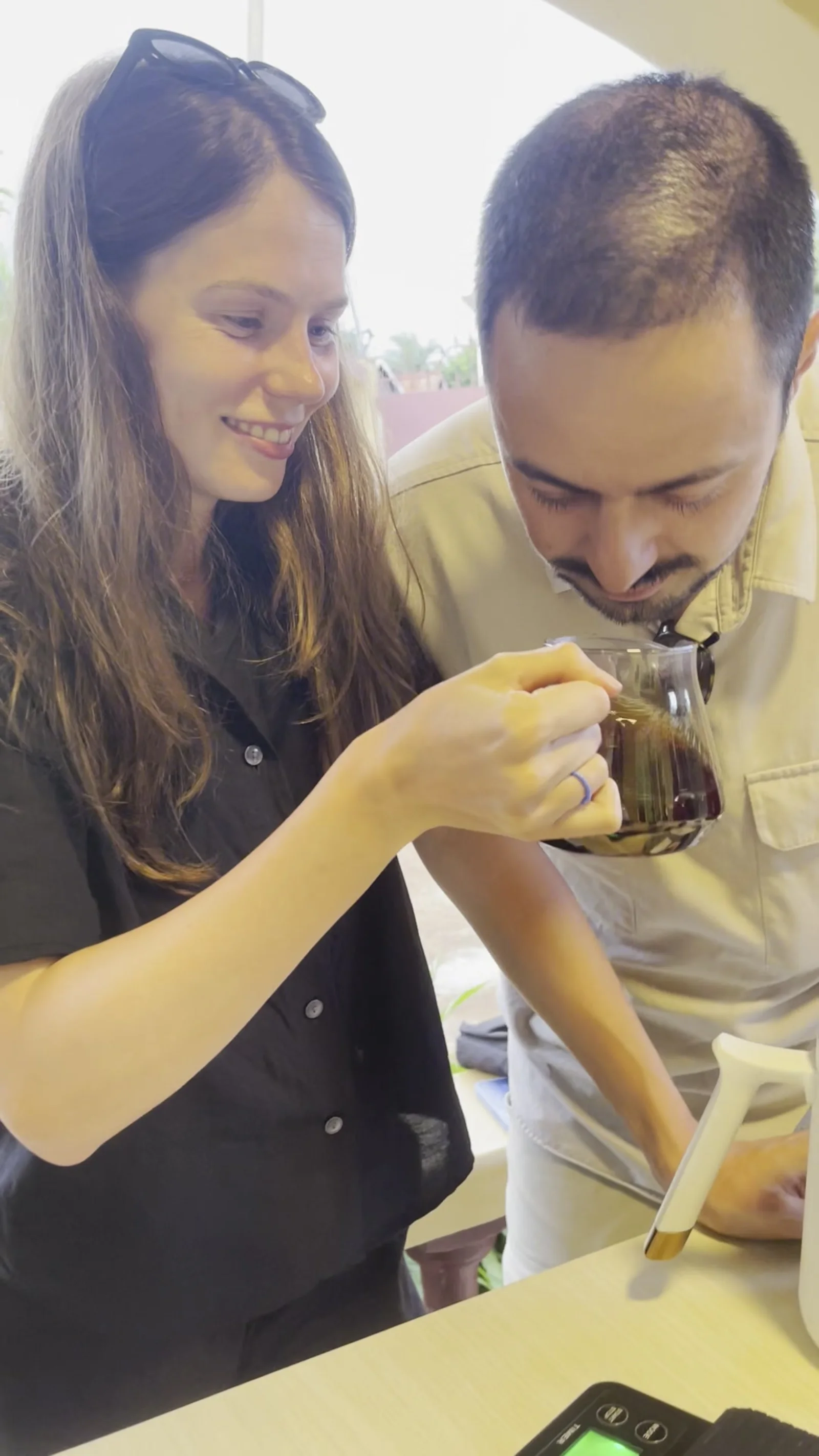
A coffee safari is more than a tour. It's the difference between reading a menu description and actually walking into the kitchen, except the kitchen is a hillside outside Kampala, and the meal took nine months to grow.
Coffee tourism has quietly become one of Uganda's more interesting growth stories. As part of a bigger national push to connect agriculture directly with tourism, projects like the Africa Coffee Park are being built specifically to give visitors a genuine "farm-to-cup" experience, not a staged photo opportunity, but a real look at how a working coffee farm actually runs, straight from the people who run it. It's a small but telling sign of where Uganda sees its coffee industry heading: outward, toward the people who drink it, not just the ports that ship it.
So what does a day actually feel like?
It starts, usually, with a smell before a sight: woodsmoke, wet earth, and something faintly sweet drifting off the drying beds before you've even parked the car. From there it's rows of coffee trees at whatever stage the season has them in: white blossom, green cherry, or that deep glossy red that means harvest is close. You'll walk them with a guide who's picked this exact hillside a thousand times and still stops to point out one particular branch like it's the first time.
Then your hands actually get involved. You pick ripe cherries yourself (not many farm tours anywhere let you do that) and learn why colour, not size, is the only thing that matters to a picker. You'll see (and if you're lucky, help with) the pulping and drying process that turns fruit into the green bean everyone recognises, and if timing lines up, watch a small batch go into the roaster and come out transformed, cracking audibly, smelling like nothing you get from a bag on a supermarket shelf.
The whole day builds toward one moment: your own cup, made from beans you watched, or picked, or roasted, yourself, a few hours earlier.
It ends the way any good day in Uganda tends to end: around a shared table, plates going round, the last of the day's brew getting poured for anyone who wants a top-up. Guests who've done it tend to describe the same thing afterward: it's not that the coffee tasted different. It's that they'll never drink a cup anywhere else again without picturing exactly what it took to get there.
What makes it worth doing
- You're on a working farm, not a demonstration set up for visitors: the cherries you pick are the ones going to market.
- Every stage is hands-on if you want it to be: picking, pulping, roasting and brewing, guided but not gatekept.
- Small groups mean real conversation with the farmers and guides, not a queue behind a rope.
- Half-day and full-day formats exist, so it fits a free afternoon or a whole day out from Kampala.
Coffee tourism in Uganda is still young enough that visiting now feels like being let in on something before everyone else finds out. Come see it while it's still this personal.